lunes, 6 de mayo de 2019

Daniel Canogar

Memory, and its loss, are a central theme in my work. Unless we remember, we are condemned to an amnesiac present, textureless and flat, lacking the perspective of time.

My recent artwork tackles such issues in different ways. I have scoured junkyards, recycling centers and flea markets, looking for examples of aging technologies that defined our existence in the not-so-distant past. What we throw away holds an accurate portrait of who we were. VHS tapes, 35 mm film, hard discs, CDs, to name just a few obsolete mediums that I have used in my art, are all depositories of our memories. When tossing them out, we are also discarding an important part of ourselves. By projecting video animations onto old media, I attempt to reignite life back into them so as to reveal the shared memory they hold within.

I have also projected large-scale video animations on emblematic monuments and historic buildings in cities across the globe. I contact local communities and create events that allow participants to project themselves literally, and metaphorically, onto their surroundings. In this way they claim the history of their city as their own. Using green-screen technology, I often record performers acting out climbing motions that when projected onto a building’s façade, create the illusion of their ascent to the top. By “conquering” these buildings, they become active participants of a shared history, rather than mere spectators of an urban reality.

I like to break away from the confines of the flat screen and create three-dimensional installations that conceptualize media as sculpture.
danielcalogar.com


jueves, 2 de mayo de 2019

Alaska

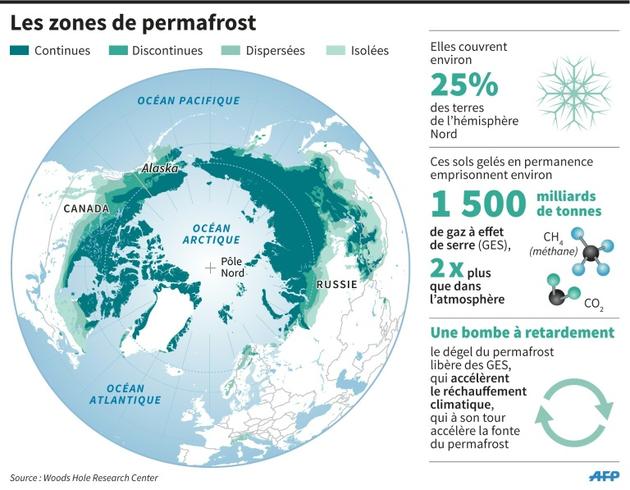
Le cimetière a été déplacé deux fois, l'ancienne école est déjà submergée et la nouvelle connaîtra bientôt le même sort si l'érosion continue à dévorer les terres du petit village de Napakiak, dans le sud-ouest de l'Alaska.

«Ici, le changement climatique, on l'affronte tous les jours», lâche Walter Nelson, élu municipal de Napakiak, l'une de ces dizaines de communautés indigènes isolées dont l'existence même est menacée par la hausse des températures qui frappe l'Etat le plus vaste des Etats-Unis.


Le même scénario se reproduit dans toutes les communautés côtières d'Alaska, dont la plupart ne sont pas accessibles par la route, sauf en hiver en roulant sur les rivières gelées, de moins en moins praticables en raison de l'élévation des températures.

De «1901 à 2016, les températures moyennes aux Etats-Unis ont augmenté d'un degré Celsius, tandis qu'en Alaska, elles ont gagné 2,6 degrés», relève Rick Thoman, expert du Centre d'évaluation et de politique du climat de l'Alaska.
cnews.fr

martes, 30 de abril de 2019

David Finnigan (Australia)

How can chickens teach us about the great acceleration of human activity on the natural world? What can Kate Winslet show us about human survival if we fail to act on human-made global warming?

Canberra-born theatre maker David Finnigan last year began what he decided would be a six-year stage project, You’re Safe Til 2024. To begin his research, he asked 30 scientists two simple questions: What’s the biggest change happening in the world today? What’s going to happen in the future?

Thus briefed, the playwright employs symbolism and metaphor on stage to communicate climate change, pollution, biodiversity loss and the planet’s ecological future, to try to get past the defences of those who switch off from climate “preaching” and to give hope to climate activists who fall into “numb despair” over government inaction. He wants the subject to “flare in the chests” of his audience rather than be lost to abstraction.

Climate Change Solutions Fund

Seven research projects in the sciences, social sciences, and humanities will share about $1 million in the fifth round of grants awarded by the Climate Change Solutions Fund (CCSF), an initiative encouraging multidisciplinary research projects that seek creative solutions to climate change.

“Harvard has a responsibility to create knowledge and advance research on the pressing issue of climate change,” said President Larry Bacow. “Since its inception, the Climate Change Solutions Fund has supported groundbreaking work across the University, and this year’s cohort represents the complex, multidisciplinary work required to address profound environmental changes that affect all of us.”

“The CCSF Review Committee and I are delighted with this year’s awards,” said vice provost for research Richard McCullough, whose office administers the fund. “The combination of the varied research in which our faculty and students engage — projects in chemistry, economics, anthropology, architecture, and more — and the support shown by University leadership through CCSF ensures the kind of innovative problem-solving we require around climate change.”

 
HARVARD GAZETTE

martes, 23 de abril de 2019

Aguas


This music video features the track OSHUN, from the CD ‘AGUAS’ by Omar Sosa and Yilian Canizares. Its animated graphics were created using After Effects, Moho Pro, and Photoshop by Madrid-based Cuban artist Leonardo Perez Garcia and depicts the transforming and healing powers of the Yoruba water deity. The music video invites all of us to connect with the profound and life-sustaining properties of water in our own lives.

En la Expo de Zaragoza...


sábado, 20 de abril de 2019

Folk y política

Sometimes we are less direct. Our song The Tide explores how the great tide of people that washes in and out of London each day is a far more significant rhythm for many of us than the tidal rhythms of the River Thames, which would have dominated Londoners’ lives in the past. This disconnection from the natural world partly explains the damage we are doing; why would we protect something that we are so distanced from?

Many of the folk clubs of the 1960s and 70s were political spaces where radical ideas could be discussed. It must have felt to people then that they were part of something bigger than folk music and that they were engaging with the political struggles of the time. But many of those clubs are now gone. We need new spaces in which we can experience environmental art, discuss politics, collaborate across disciplines and – most importantly – spread hope that progress is possible if we come together.

A performance from last year sticks in my mind. We were at Fire in the Mountain, a beautiful festival held in West Wales. It was a period of bruising political upheaval. People in the UK were reeling from the Brexit debate, a divisive general election campaign and the election of Donald Trump. It felt that night as if our music enabled a collective processing of what was happening in the world, and, crucially, offered hope that better times will come. As we left the stage, the audience continued our final, hopeful chorus from the song Keep your Hand on the Plough. It struck Sid and I that the simple act of bringing people together is a solution to the problems we sing of. A shared sense of purpose and agency can be uniquely stirred by music, and we as musicians must do all we can to create that.

The power of folk music lies not just in its ability to document social change but also to effect it. So this is a call to arms for artists, and particularly folk musicians, to engage with environmental issues and for the environmental movement to seek out and support artists who are attempting to help the cause.


The Guardian


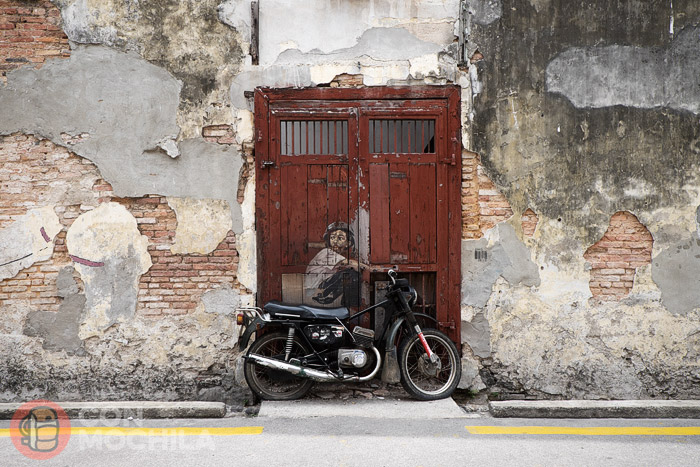
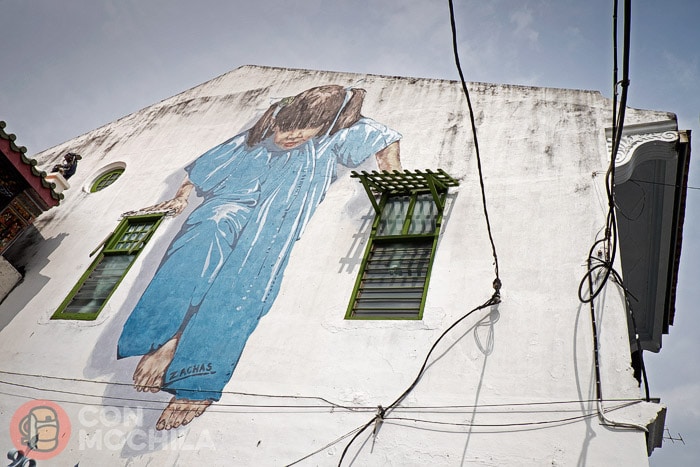
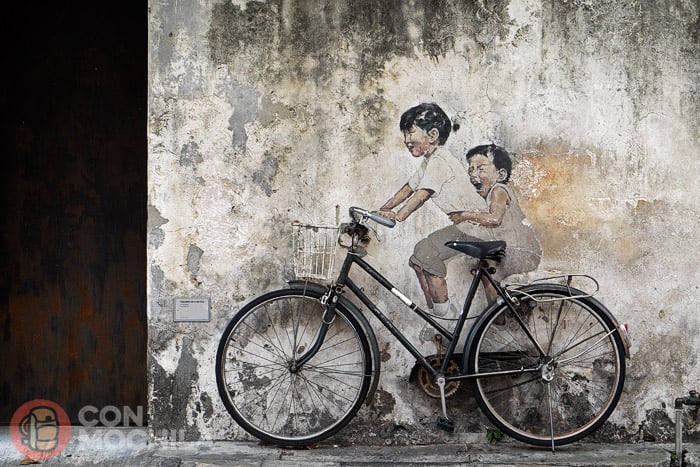
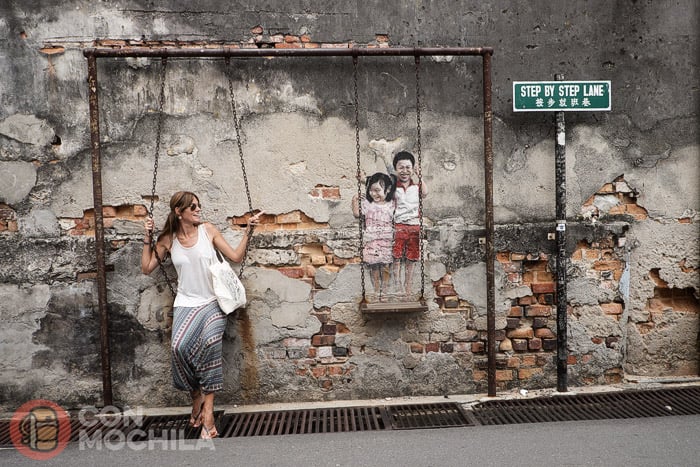
Con Mochila-Malasia


Ver más: https://www.conmochila.com/arte-urbano-un-original-paseo-por-georgetown


viernes, 19 de abril de 2019

Extinction Rebellion

Extinction Rebellion
"Para cambiar el mundo hay que hacer ruido".

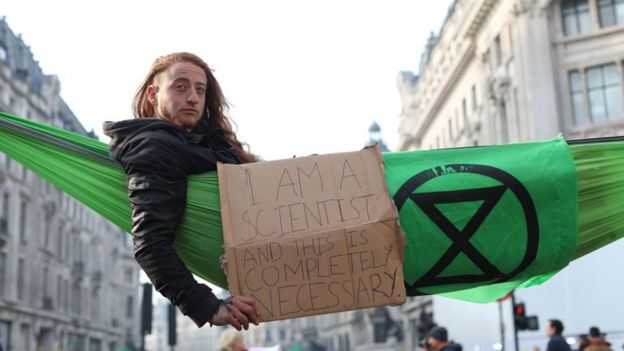
Roger Hallam es el autor de esta frase y uno de los fundadores de Extinction Rebellion, un grupo que desde hace días está paralizando varios puntos del centro de Londres en una protesta prevista hasta el 29 de abril.

Se trata de un movimiento social creado en Reino Unido que tiene por objetivo influir sobre las políticas medioambientales globales mediante la resistencia no violenta.
3 efectos económicos de la aceleración del cambio climático

Desde el inicio de las protestas en la capital británica, en las que participan miles de activistas, ya hubo más de 400 detenidos por haber bloqueado las calles.

El grupo también tiene previsto interrumpir el servicio del metro, por lo que recibió críticas.

El país que se está calentando dos veces más rápido que el resto del mundo

También habría cambios en la dieta: la gente tendría que consumir menos carne y productos lácteos.

Y, además, el tráfico aéreo tendría que verse severamente restringido.

Pero Gail Bradbrook, cofundadora de la organización, apela al compromiso de los políticos.

"No es el momento para ser realistas, es el momento para que la humanidad cambie completamente de rumbo", afirmó Bradbrook.

Y añadió: "No se trata de poner paneles solares en algunos techos. Lo postergamos tanto que ahora tenemos que hacer algo casi milagroso para abordar esta situación".

BBC

martes, 16 de abril de 2019

Contra Las Etiquetas #contralasetiquetas

Órgano del mar-sea organ

Built in to the middle of the Croatian Adriatic coast, the Sea Organ (Croatian ‘Morske orgulje‘) was designed by architect Nikola Bašić and built by Dalmatian stone carvers. After the devastation of World War II, chaotic reconstruction transformed the sea front in to a giant, unbroken concrete wall. It remained that way until 2005, when an urban renewal project transformed the coast again. At the end of the vast promenade, Bašić designed a 70 metre long stair case that descends in to the Adriatic sea. Underneath the steps are 35 organ pipes built in to subterranean tunnels. A column of air, pushed in turn by the waves, blows each organ pipe. The sound emerges above ground through labiums (whistles), which play 7 chords of 5 tones each.


El salvaje en el espejo

“El hombre salvaje es un mito distintivo de a civilización occidental, y una de sus claves”, afirma Bartra. El salva en el espejo parte de la impresión que provocó en Bartra la crónica de Bernal Díaz del Castillo sobre la fiesta organizada en la plaza mayor de México por los conquistadores españoles para celebrar la paz de Algues-Mortes. Montaron un bosque artificial e hicieron evolucionar por él a salvajes representando exóticas escenas. Lo curioso del caso es que esos salvajes de teatro no eran indios, como parecería lógico, sino europeos peludos y armados con garrotes. Para Bartra, los conquistadores “se habían traído su propio salvaje para evitar que su ego se disolviera en la extraordinaria otredad que estaban descubriendo”.

A partir de esta curiosa imagen, el antropólogo se lanzó a un recorrido por los hombres salvajes de la tradición occidental, en la literatura y la iconografía.

Y El salvaje en el espejo es ese fascinante viaje, desde los agrioi griegos (centauros, silenos, sátiros, ménades, cíclopes), hasta el Calibán de Shakespeare, el caníbal de Montaigne y el cervantino Cardenio, al que Don Quijote encuentra viviendo desnudo en Sierra Morena.
Jacinto Antón

lunes, 15 de abril de 2019

Rebelión contra la extinción

La Semana Internacional de la Rebelión Contra la Extinción, enmarcada en la campaña 2020: rebelión por el clima, se celebra en medio centenar de países. En España, tras las protestas de Greenpeace y Ecologistas en Acción del viernes 12 de abril, este lunes 15 Extinction Rebellion ha organizado acciones en media docena de ciudades.


PRINCIPIOS Y VALORES
TENEMOS UNA VISIÓN COMPARTIDA DE CAMBIO: Crear un mundo adecuado para que vivan las próximas generaciones.
FIJAMOS NUESTRA MISIÓN EN LO QUE ES NECESARIO: Movilizar al 3,5% de la población para lograr el cambio de sistema.
NECESITAMOS UNA CULTURA REGENERATIVA: Crear una cultura sana, resistente y adaptable.
CUESTIONAMOS ABIERTAMENTE A NOSOTRAS MISMAS Y A ESTE SISTEMA TÓXICO, alejándonos de nuestras zonas de confort para poder llevar a cabo acciones para el cambio.
VALORAMOS LA REFLEXIÓN Y EL APRENDIZAJE, siguiendo un ciclo de acción, reflexión, aprendizaje, y planificación para más acciones. Aprendemos de otros movimientos y contextos además de nuestra propia experiencia.
ACOGEMOS A TODXS Y A CADA PARTE DE TODXS, trabajando activamente para crear espacios más seguros y accesibles.
MITIGAMOS ACTIVAMENTE EL PODER: Derribamos las jerarquías de poder para lograr una participación más equitativa.
EVITAMOS CULPAR Y REPROCHAR: Vivimos en un sistema tóxico, pero nadie tiene la culpa.
SOMOS UNA RED NO VIOLENTA: Usamos estrategias y tácticas no violentas como la manera más efectiva de lograr el cambio.
NOS BASAMOS EN LA AUTONOMÍA Y LA DESCENTRALIZACIÓN: Colectivamente creamos las estructuras que necesitamos para desafiar el poder.

Cualquiera que siga estos principios y valores fundamentales puede actuar en nombre de RisingUp!